Dubai’s dynamic growth attracts a continuous influx of international professionals, entrepreneurs, and families. For anyone settling in this fast-evolving emirate, one crucial financial question eventually arises: is it better to continue renting in Dubai, or does it make more financial sense to buy?
Historically, the decision was driven by flexibility. However, as rental rates have matured and stabilized, the long-term cost benefits of ownership have become increasingly apparent. Average gross rental yields for apartments currently range from 6.5% to 8%, which is significantly higher than yields in other major global cities.
Choosing whether to lease or purchase requires a careful assessment of your budget, timeline, and overall financial vision. This guide breaks down the true numbers, hidden fees, and long-term appreciation metrics so you can embark on your property journey with absolute confidence and precision.
Renting in Dubai: Cost, Flexibility, and Rent Inflation
Leasing an apartment is often the first step for new arrivals adjusting to the cost of living in Dubai. While it offers quick entry into the market, it carries distinct financial realities over time.
The Upfront Costs of Renting
Renting requires a lower initial capital outlay than purchasing. Typically, you must prepare for:
• Annual Rent: Paid in 1 to 4 checks post-dated across the year.
• Security Deposit: Usually 5% of the annual rent for unfurnished apartments, or 10% for furnished units.
• Agency Commission: Typically, 5% of the annual rent.
• Ejari Fee: The mandatory registration fee for rental contracts (approximately AED 220).
The Downside of Long-Term Renting
While renting offers the flexibility to move between communities easily, it comes with a major financial drawback: no equity accumulation. Every dirham paid in rent is an expense that never returns to your portfolio.
Additionally, even with the introduction of the RERA Smart Rental Index, which legally regulates how much a landlord can increase rent at renewal, long-term tenants remain exposed to rent inflation. Over a five-year period, cumulative rent payments can easily equal a significant portion of a property’s purchase price, leaving you with nothing to show for your investment.
Buying Property in Dubai: Equity, Yields, and Stability
Transitioning from tenant to owner is a powerful way to turn a monthly housing expense into a wealth-building asset. When you make a Dubai property investment, you protect yourself from rent hikes and secure a tangible piece of the city's future.
The Financial Benefits of Ownership
• Equity Creation: Instead of paying off a landlord’s asset, your monthly payments build direct equity in your own property in Dubai.
• High Yields and Capital Growth: If you eventually decide to lease your property, Dubai’s high rental yields ensure strong passive cash flow.
• Long-Term Security: Ownership provides a permanent primary base, free from the risk of landlord eviction or sudden non-renewal notices.
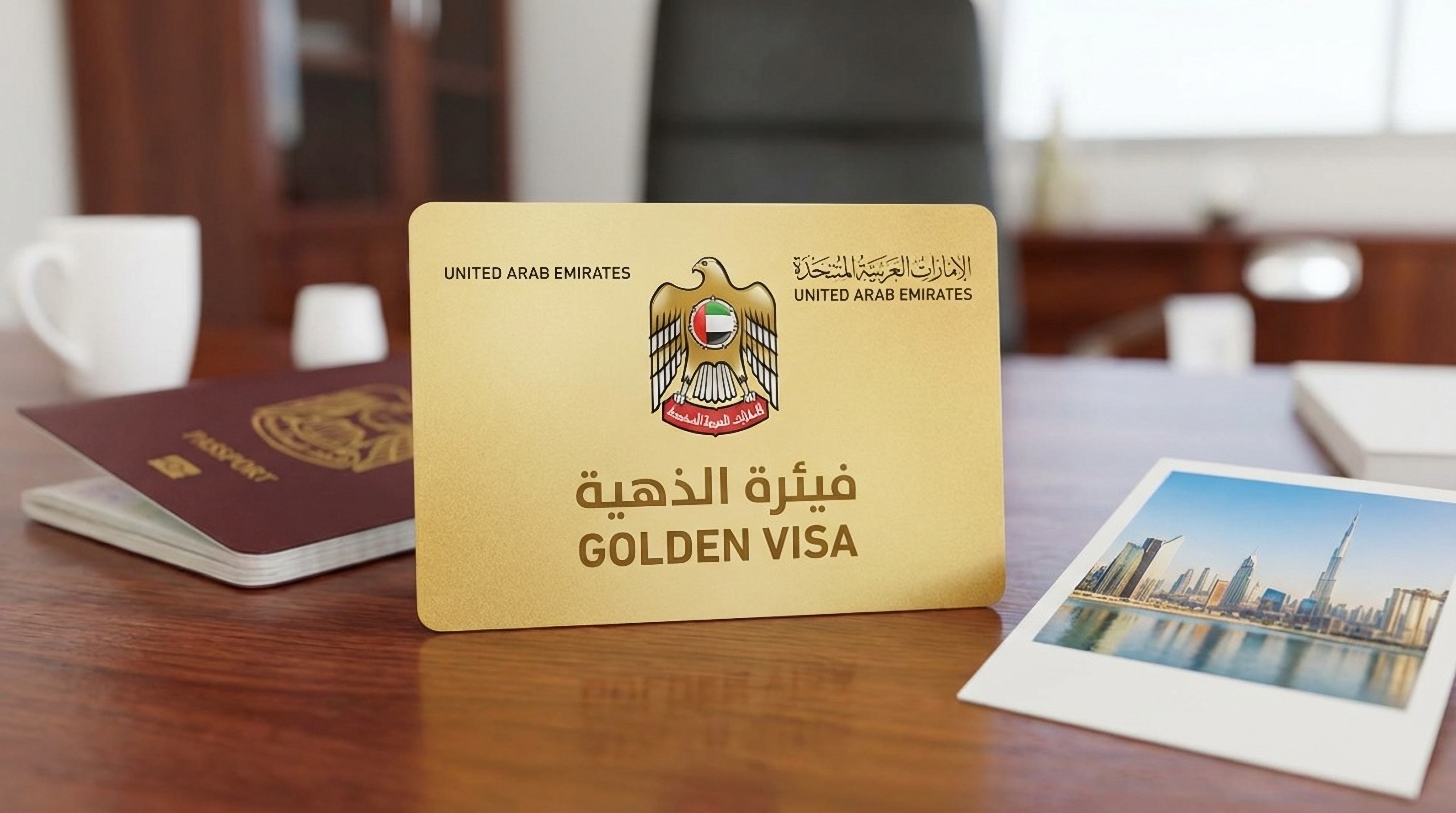
• Residency Incentives: Purchasing freehold apartments for sale in Dubai can offer long-term residency pathways. For instance, properties valued at AED 2 million or more qualify buyers for the 10-year residency visa.
The 5-Year Rule: When Does Buying Outperform Renting?
To decide which path makes financial sense, investors use the "5-Year Rule" to calculate the breakeven point.
Purchasing real estate carries upfront transaction fees of approximately 6% to 7% (including the 4% Dubai Land Department fee and administrative charges). If you only plan to stay in the UAE for 1 to 2 years, renting is generally more practical, as you may not have enough time to recoup these initial buying costs through property appreciation.
However, if your time horizon is 3 years or more, the math changes completely. The cumulative rent you would have paid to a landlord quickly surpasses the upfront transaction costs of buying. By year three, the capital appreciation of your property, combined with the rent saved, makes ownership the far superior financial decision.
Side-by-Side Financial Comparison
The table below illustrates how renting compares to buying over a 5-year period for a typical mid-market apartment valued at AED 1.2 Million:
| Financial Metric |
Renting in Dubai (5 Years) |
Buying Property in Dubai (5 Years) |
| Initial Outlay |
Low (Deposit + first check) |
Moderate to High (Down payment + DLD fees) |
| Annual Cash Outflow |
Rent payments (lost capital) |
Mortgage payments (principal builds equity) or zero payments if cash |
| Exposure to Inflation |
Subject to RERA index rent increases |
Fixed mortgage payments or stable asset value |
| Asset Value after 5 Years |
AED 0 |
AED 1.2M+ (plus 5-year capital appreciation) |
| Residency Potential |
None (standard tourist/work visa) |
Eligible for golden visa residency paths |
Transitioning Comfortably with Imtiaz Residences
One of the main hurdles for tenants wanting to buy property in Dubai is saving for the initial down payment. Off-plan properties solve this challenge by offering highly flexible, milestone-based payment plans. This allows you to secure a brand-new residence with a low initial deposit, spreading the remaining costs comfortably across the construction phase.
At Imtiaz Developments, we construct high-performance residences designed to deliver long-term value. Every landmark we develop is driven by our passion for architectural perfection, ensuring high rental demand and steady capital growth for our buyers.
Final Verdict: Which Makes More Sense for You?
Renting offers temporary convenience, but it is ultimately a recurring expense. If you plan to remain in Dubai for the medium- to long-term, buying is the more financially sound decision. It protects your hard-earned capital, builds equity, and places you in a stable, secure position within one of the world's most thriving economies.
Our advisors are ready to help you analyze your budget and find the ideal community for your goals.
Speak to an Advisor | WhatsApp Us
FAQs
1. Is it cheaper to rent or buy property in Dubai?
Whether renting or buying is cheaper depends on your long-term plans. Renting may be more cost-effective for short stays, while buying often becomes financially advantageous for residents planning to remain in Dubai for several years.
2. How long should I stay in Dubai before buying a property?
Many property experts suggest that buying may make greater financial sense if you intend to stay in Dubai for at least three to five years, allowing sufficient time to offset transaction costs and benefit from potential capital appreciation.
3. Can foreigners buy property in Dubai?
Yes. Foreign nationals can purchase freehold property in designated areas across Dubai regardless of their residency status.
4. What are the upfront costs of buying property in Dubai?
In addition to the property's purchase price, buyers should budget for the Dubai Land Department registration fee, trustee fees, developer NOC charges (for resale properties), and mortgage-related costs where applicable.
5. Does buying property in Dubai qualify me for a Golden Visa?
Property investors purchasing qualifying real estate worth AED 2 million or more may be eligible to apply for the UAE Golden Visa, subject to current government regulations.
6. Are rental prices in Dubai regulated?
Yes. Rental increases are regulated by the Dubai Land Department's Smart Rental Index, which determines whether landlords may increase rents upon contract renewal.
7. What are the benefits of buying property instead of renting?
Buying property allows owners to build equity, benefit from potential capital appreciation, generate rental income, and enjoy greater long-term housing stability.
8. Can I rent out my property after buying it in Dubai?
Yes. Owners of freehold properties may lease their units and potentially generate rental income, subject to applicable community and regulatory requirements.




.jpg)

.png)