Dubai’s property sector continues to show strong momentum, moving into a more mature and sustainable phase of growth. According to the Dubai Land Department, the total value of real estate transactions reached AED 252 billion in Q1 2026, marking a 31% year-on-year increase. Foreign investment also remained strong, with its value reaching AED 148.35 billion, up 26% from Q1 2025. For buyers comparing major global property markets, properties in Dubai continue to stand out for their strong infrastructure, investor-friendly environment, and appeal as a long-term investment destination.
However, purchasing an apartment in Dubai is a significant financial commitment that requires careful preparation. To ensure your property journey is both secure and highly profitable, you must evaluate several regulatory, structural, and financial factors before signing a contract. This guide outlines the 10 most critical things to consider to safeguard your Dubai property investment and help you allocate your capital with absolute precision.
1. Location and Proximity to Commuter Hubs
When acquiring an apartment in Dubai, location is paramount. A property’s position directly dictates your occupancy rates, tenant demographics, and potential rental yields.
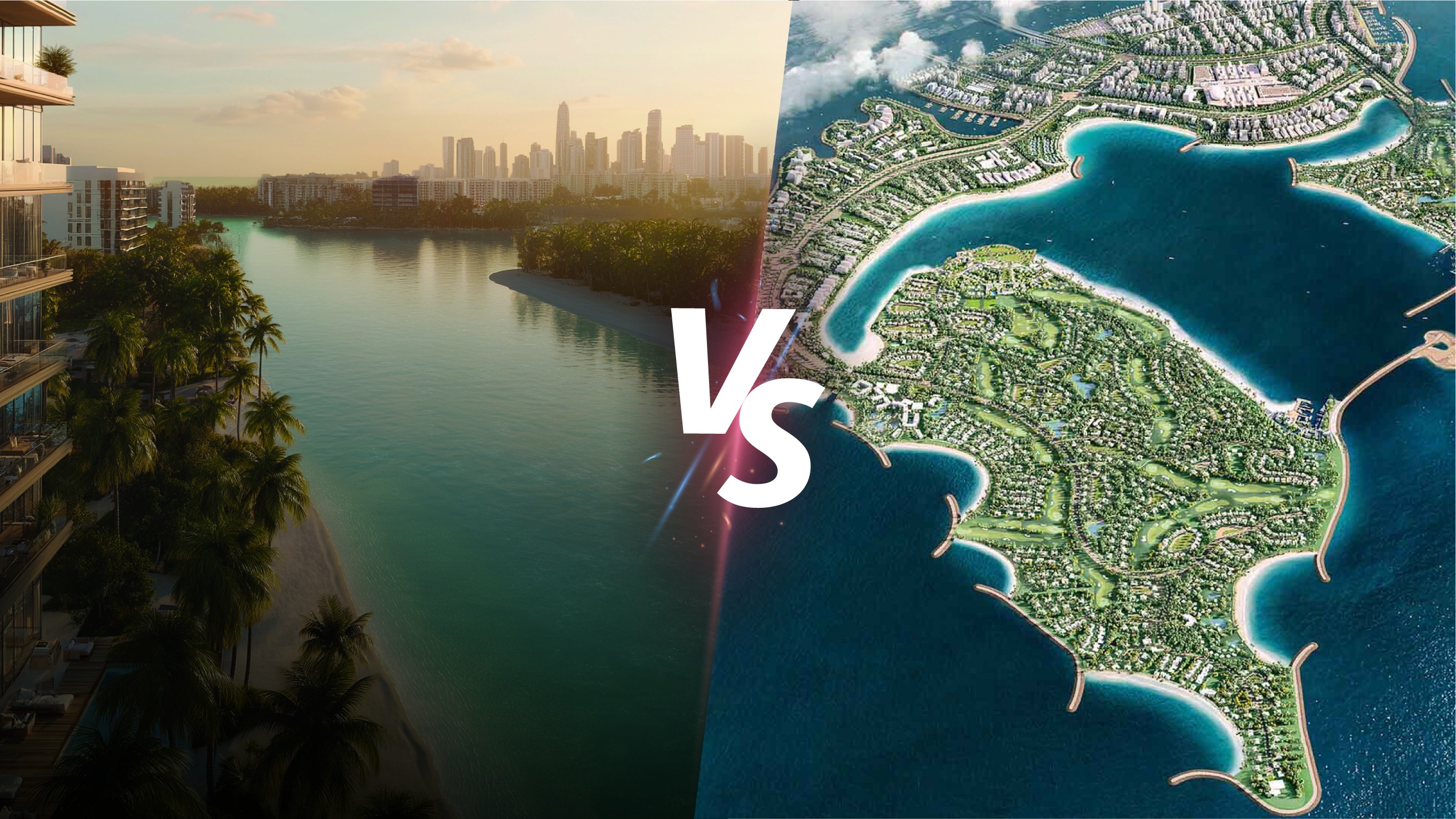
Before committing, decide whether your investment vision aligns with a central urban commuter hub or a holiday-inspired waterfront setting. For example, central districts like Meydan Horizon cater to corporate professionals seeking short daily commutes, whereas coastal areas like Dubai Islands attract tourists and secondary residents. You can compare the returns and lifestyles of these two master-planned environments in our Meydan vs Dubai Islands lifestyle guide.
2. Freehold vs Leasehold Ownership Status
Foreign buyers must ensure that the property they intend to purchase is located within a designated freehold area.
• Freehold Zones: Grant the purchaser 100% absolute ownership of both the physical property and the land it occupies, with no time restrictions.
• Leasehold Zones: Grant the right to occupy and use a property for a set period, typically ranging from 10 to 99 years.
To secure permanent asset protection, international buyers looking to buy property in Dubai should focus exclusively on freehold zones.
3. Upfront Transaction Costs and Cash Reserves
When calculating your budget, remember to factor in the government and administrative fees that may apply at the time of transfer. For a typical secondary-market purchase, these costs can include:
• Dubai Land Department (DLD) Fee: 4% of the property value.
• Registration Trustee Fee: Approximately AED 4,000 (plus VAT).
• Agency Commission Fee: 2% of the property value (for secondary market purchases).
Under current UAE Central Bank mortgage regulations, borrowers must fund the required down payment from their own resources rather than through other forms of borrowing. For expatriates buying a first owner-occupied property, the maximum LTV is 80% for properties valued at AED 5 million or less, meaning a minimum 20% down payment is required. Transaction and registration costs should therefore be budgeted separately from the down payment and paid from available funds.
4. Developer Reputation and Delivery Track Record
With numerous apartments available across Dubai, aligning yourself with a reputable developer is the single most effective way to protect your capital.
Investigate the developer's delivery track record, looking closely at their history of completing projects on schedule and maintaining high-quality finishes. Developers committed to architectural perfection protect your property's resale liquidity and long-term rental value.
5. Rental Yields vs Capital Appreciation Goals
Clearly define your financial goals before starting your property search.
• Yield-Focused Strategy: If your primary goal is immediate passive cash flow, look at mature, high-demand areas like JVC, where compact studio and 1-bedroom apartments consistently deliver gross rental yields between 7% and 9%.
• Capital Growth Strategy: If you prioritise long-term asset appreciation, target emerging beachfront master plans where entry-level pricing is lower, but values are expected to climb significantly as infrastructure is delivered.
6. Annual Service Charges and Maintenance Fees
Every owner of an apartment in Dubai must pay annual service charges to cover the maintenance of the building's common areas, lifts, landscaping, security, swimming pools, and gymnasiums.
These fees are calculated on a per-square-foot basis of your apartment's total net area and vary significantly depending on the building's class and amenities. High service charges in poorly managed buildings can quietly erode your net rental returns, making it essential to choose a well-structured, well-managed development.
7. Off-Plan vs Completed (Ready) Properties
Choosing between off-plan (under construction) and completed properties depends on your capital timeline and risk tolerance:
• Off-Plan Apartments: Offer lower entry-level pricing and flexible, milestone-based payment plans directly from the developer, allowing you to build equity gradually without paying massive upfront sums.
• Completed Apartments: Require immediate full payment or a secured mortgage, but allow for immediate occupancy or immediate rental income.
8. Residency Incentives and the UAE Golden Visa
If you are a foreign buyer, purchasing real estate in Dubai can secure your long-term residency.
Under the current Dubai Golden Visa criteria, real estate investors who purchase a property valued at AED 2 million or more can apply for a 10-year renewable residence permit. Eligible investors can also sponsor their spouse, children, and parents, subject to the applicable requirements.
9. Infrastructure and Future Master Plans
Dubai is a city built on long-term infrastructure planning, guided by the Dubai 2040 Urban Master Plan. Before committing to an apartment, check the surrounding area for upcoming public transport expansions, planned road networks, park spaces, and retail centres. Properties located near upcoming transport links, such as the planned Metro Green Line extension, are positioned for excellent capital gains.
10. The Direct-to-Developer Financial Advantage
When purchasing an apartment, working directly with a developer's in-house team carries a significant financial advantage. By avoiding third-party real estate brokerages, you save the standard 2% agency commission fee, keeping more cash in your portfolio to fund your initial DLD registration costs.
Why Investors Choose Imtiaz Residences
At Imtiaz Developments, we construct high-performance, thoughtfully designed residences in Dubai's most strategic, high-ROI locations, including JVC, Meydan Horizon, and the prestigious Dubai Islands. Driven by our passion for quality, each landmark we develop is engineered with structural precision to command strong tenant demand and steady capital growth.
By purchasing directly from our in-house developer team, you benefit from flexible, interest-free payment plans while completely eliminating the 2% agency commission fee.
Final Verdict: Are You Ready to Buy?
Buying an apartment in Dubai is a powerful step towards building long-term wealth, provided you calculate your upfront cash reserves, select a prime location, and partner with a trusted developer. By evaluating these 10 factors before signing your sales contract, you ensure a smooth, compliant, and highly profitable path to ownership.
Our advisors are standing by to help you find the ideal layout for your lifestyle and financial goals.
Speak to an Advisor | WhatsApp Us
Frequently Asked Questions (FAQs)
What is the minimum mortgage down payment for a non-resident in Dubai?
The minimum down payment for a non-resident buying property in Dubai depends on the lender, property value, borrower profile, and mortgage product. While some lenders may offer financing of up to 80% of the property's value to eligible borrowers, others require a higher down payment. For example, HSBC currently offers eligible non-residents financing of up to 60% of the property's value, which means a down payment of at least 40% may be required under that product. Buyers should check the latest terms with their chosen lender before planning their property budget.
How do I check if an off-plan project is legally registered?
You can verify the legal status of any off-plan project through the Dubai Land Department (DLD) or the "Dubai REST" mobile application. This portal lists the project’s registration details, its escrow account number, and the official construction progress.
Are off-plan properties cheaper than ready properties?
Yes, off-plan apartments are typically priced lower than completed units in the same area. This price gap represents an incentive for early buyers who take on the construction timeline, allowing them to capture capital gains upon completion.
Who is responsible for paying the annual property service charges?
The property owner (landlord) is legally responsible for paying the annual community service charges to the developer or owners' association. Tenants are not responsible for these fees unless explicitly agreed upon in a customised tenancy contract.
Can I sell my off-plan apartment before construction is completed?
Yes, you can sell an off-plan property in the secondary market before completion, provided you have met the developer's minimum paid equity threshold (typically 30% to 40% of the purchase price) and settled the required transfer fees.




.jpg)


.png)