Dubai has established itself as a premier destination for global capital, attracting international buyers who seek a stable, forward-thinking environment. For those looking to secure a permanent base or build a robust portfolio, understanding how to buy property in Dubai as a foreigner is the first step in a rewarding investment journey.
With a transparent legal framework, tax-free returns, and strong capital appreciation, buying a property in Dubai is a streamlined and secure process. In fact, Dubai's real estate sector achieved its strongest performance to date in 2025, recording more than 270,000 transactions worth AED 917 billion, highlighting strong global investor confidence in the emirate's long-term growth.
Whether you are searching for a primary address, a secondary holiday base, or a high-yield asset, this guide outlines the legal structures, associated costs, and step-by-step milestones to help you navigate the market with confidence and precision.
Can a Foreigner Buy Property in Dubai? Freehold vs Leasehold Explained
The short answer is yes. Foreign nationals, regardless of their residency status, can legally buy, sell, and own real estate in the emirate. However, if you want to buy property in Dubai, you must understand the distinction between freehold and leasehold zones.
-
Freehold Areas: In designated freehold zones, foreign purchasers receive absolute, perpetual ownership of both the physical property and the land it occupies. Freehold ownership grants the right to lease, sell, or pass the asset down to heirs without time limits. Highly popular neighbourhoods like JVC, Meydan Horizon, and Dubai Islands are designated freehold zones.
-
Leasehold Areas: In leasehold areas, buyers purchase the right to occupy and use a property for a set period, typically ranging from 10 to 99 years. The physical land remains under the ownership of the freeholder.
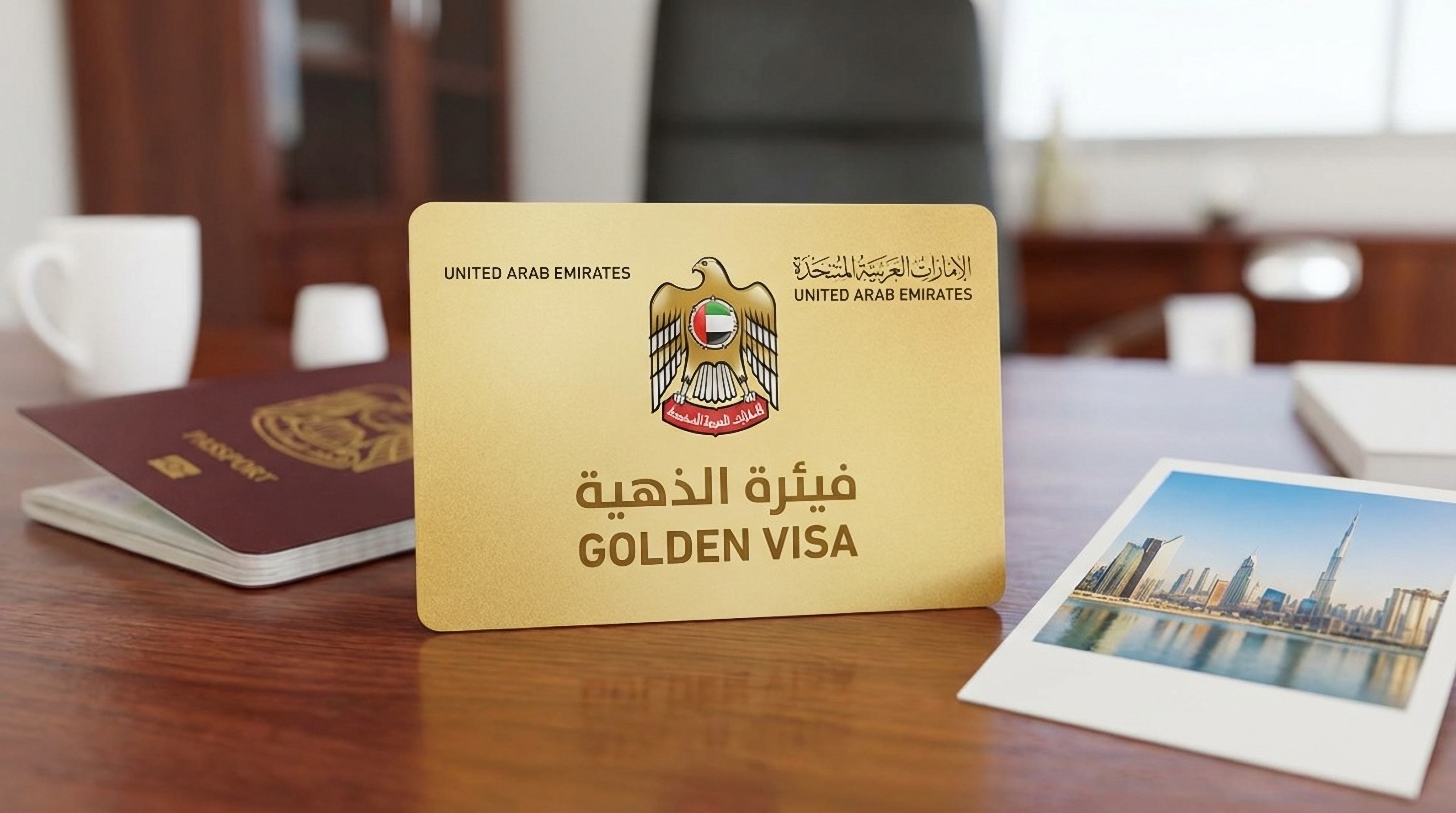
For international buyers pursuing a long-term vision, focusing on freehold apartments for sale in Dubai offers the most secure route, as freehold status is a key requirement for long-term residency paths, such as the Dubai Golden Visa.
Step-by-Step Process: How to Buy Property in Dubai as a Foreigner
The purchasing process in Dubai is designed to protect both the buyer and the developer. From your initial search to receiving your Title Deed, here is what the buying path looks like:
Step 1: Define Your Financial and Lifestyle Goals
Clarify your primary objective before beginning your search. Are you looking for capital gains, high rental yields, or personal occupancy?
-
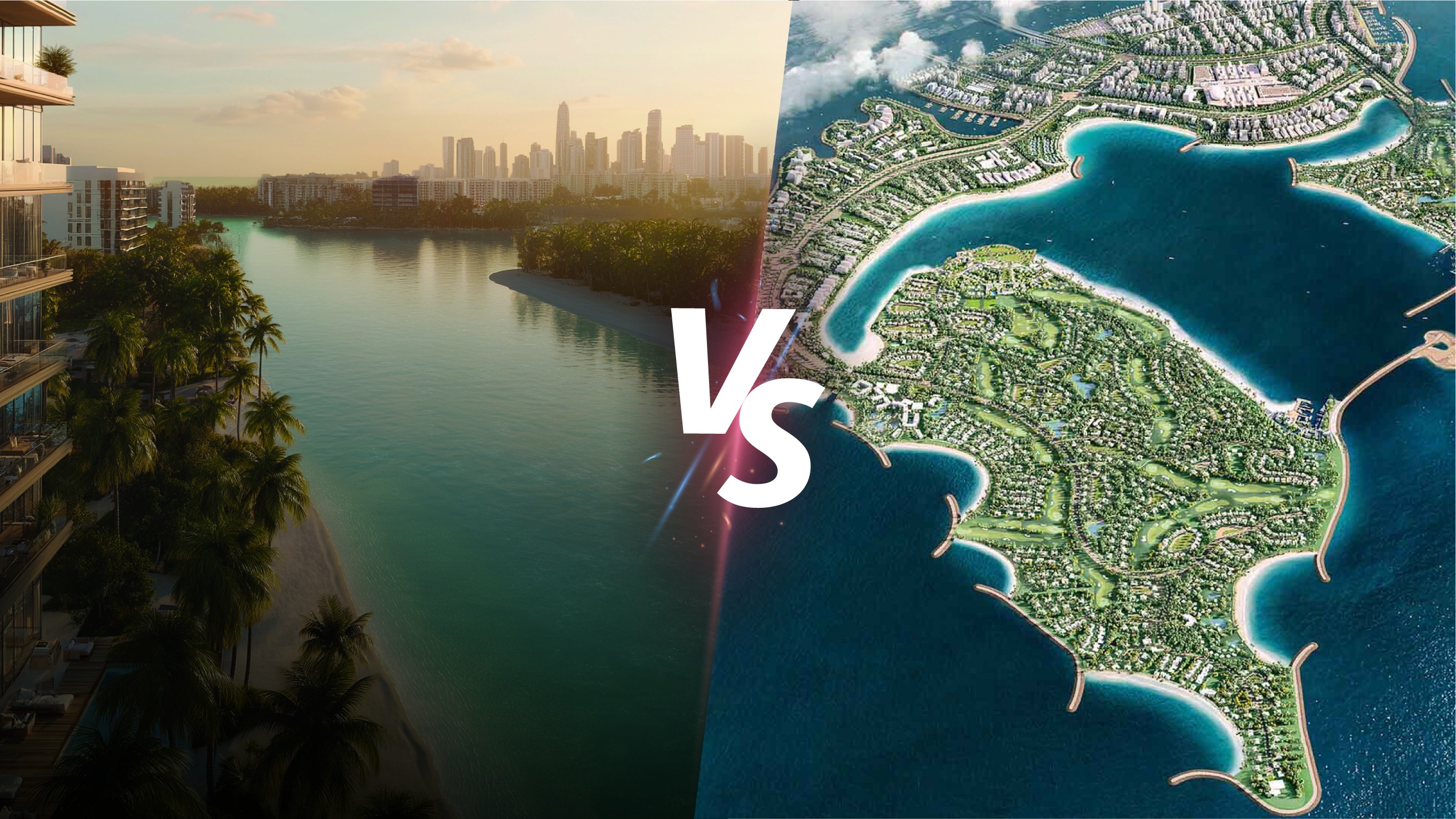
If you prioritise daily connectivity to major commercial districts and a vibrant commuter population, central neighbourhoods like Meydan Horizon are ideal.
-
If you seek resort-style living, panoramic sea views, and strong potential for future capital gains, beachfront residences on the Dubai Islands match that perspective.
Step 2: Draft and Sign the Sales Agreement (Contract F)
Once you choose a specific property, the formal transaction begins with drafting a Memorandum of Understanding (MOU), also known as Contract F. This legally binding document outlines the final purchase price, payment terms, and completion timelines. At this stage, the buyer typically provides a 10% security deposit, which is held by a registered escrow agent or a neutral third party until finalisation.
Step 3: Secure a No Objection Certificate (NOC)
Before ownership can be transferred, the developer must issue a No Objection Certificate (NOC). This official document confirms that the developer has no objections to the transfer of the property in Dubai and that all outstanding community service charges have been settled.
Step 4: Transfer Ownership at the Dubai Land Department (DLD)
The final step is the physical transfer of ownership, which occurs at a DLD registration trustee office. Both parties (or their legally appointed representatives via Power of Attorney) must present the signed sales agreement, the developer’s NOC, and passport copies. Once approved, the DLD issues a brand-new Title Deed, finalising your purchase journey.
Off-Plan vs Completed Properties: Choosing the Right Asset Class
When planning a Dubai property investment, international buyers must choose between buying off-plan (under construction) or buying a completed (ready) property.
-
Off-Plan Properties: Off-plan acquisitions are highly popular among foreign investors. They offer lower initial purchase prices and flexible, milestone-based payment plans directly from the developer. This allows you to secure an asset with a lower deposit, spreading the remaining cost across the construction phases. Buying early in the development cycle also maximises your potential for capital appreciation upon handover.
-
Completed Properties: Ready properties require a larger upfront capital layout, as you must pay the full transaction price immediately. However, they allow for immediate occupancy or immediate rental income.
Whether you opt for off-plan or completed properties, choosing a developer committed to architectural perfection ensures your asset holds its value over time.
Transaction Costs and Hidden Fees to Keep in Mind
Calculating your budget with precision means accounting for transaction fees beyond the property's sticker price. When buying freehold property in Dubai, expect the following standard government and administrative costs:
• DLD Registration Fee: 4% of the property's purchase value, paid directly to the Dubai Land Department.
• Registration Trustee and Administrative Fees: Buyers should budget approximately AED 4,000 to AED 5,800 in registration trustee and related administrative charges, depending on the property type, transaction value, and service office.
• Developer NOC Fee: Between AED 500 and AED 5,000, typically paid to clear community paperwork.
• Real Estate Agency Commission: 2% of the purchase price (applicable only if purchasing a completed resale property through a third-party broker).
Note: Buying off-plan directly from a developer typically eliminates the 2% agency commission fee, making it a highly cost-effective option for initial buyers.
Why Global Investors Choose Imtiaz Residences
At Imtiaz Developments, we construct thoughtfully designed residences that align with your requirements for long-term security, outstanding execution, and premium amenities. Every landmark we develop is driven by our passion for quality, ensuring that your capital is placed in a stable, well-managed community.
We understand that buying real estate from abroad requires absolute trust and transparency. From initial Sales Purchase Agreement (SPA) signings to secure escrow management, our team coordinates the necessary legal and administrative steps to ensure your purchase is smooth and compliant.
Whether you choose centrally located projects like The Symphony or premium beachfront living at Beach Walk, our portfolio is structured to make ownership accessible and reliable.
Final Verdict: Ready to Secure Your Property in Dubai?
Buying real estate in a new country can feel challenging, but Dubai’s clear regulatory framework makes it one of the most investor-friendly markets in the world. By following these steps and partnering with a developer that prioritises transparency and quality, you can build a stable future with absolute peace of mind.
Are you ready to explore our premium residential offerings? Speak to our advisors today to discover how we can guide you through a smooth path to ownership.
Speak to an Advisor | WhatsApp Us
Frequently Asked Questions
1. Can foreigners buy property anywhere in Dubai?
Foreign nationals can purchase property in designated freehold areas across Dubai. Popular freehold communities include Dubai Islands, JVC, Meydan Horizon, Downtown Dubai, and Dubai Marina. These areas grant full ownership rights to international buyers.
2. Do I need a UAE residency visa to buy property in Dubai?
No. You do not need to hold a UAE residency visa to buy property in Dubai as a foreigner. Non-residents can legally purchase, own, sell, and lease freehold properties in approved areas.
3. What documents are required to buy property in Dubai as a foreigner?
Most foreign buyers only need a valid passport to complete a property purchase. Depending on the transaction, additional documents such as proof of funds, a Power of Attorney, or mortgage approval may also be required.
4. How much is the Dubai Land Department (DLD) fee when buying property?
The standard Dubai Land Department registration fee is 4% of the property's purchase price. Buyers should also budget for administrative charges, developer NOC fees, and any applicable agency commissions.
5. Can foreigners get a mortgage to buy property in Dubai?
Yes. Both resident and non-resident foreigners can apply for mortgages through UAE banks, subject to eligibility criteria, income requirements, and lender-specific terms.
6. Is buying off-plan property in Dubai safe for foreign investors?
Yes. Dubai's off-plan market is regulated by the Dubai Land Department and the Real Estate Regulatory Agency (RERA). Funds paid towards off-plan properties are typically held in secure escrow accounts, offering additional protection for buyers.
7. Can buying property in Dubai help me obtain a residency visa?
Yes. Purchasing qualifying freehold property may make investors eligible for residency options, including long-term visas such as the Dubai Golden Visa, subject to current government regulations and investment thresholds.
8. What is the difference between freehold and leasehold property in Dubai?
Freehold property grants full ownership of both the property and the land indefinitely. Leasehold property gives the buyer the right to occupy and use the property for a fixed period, usually between 10 and 99 years, while the land remains owned by the freeholder.
9. How long does it take to complete a property purchase in Dubai?
The timeline depends on whether the property is off-plan or ready. Completed property transactions can often be finalised within a few weeks, while off-plan purchases follow the developer's construction and handover schedule.
10. Are there annual property taxes in Dubai?
No. Dubai does not impose annual property taxes on residential real estate, making it an attractive destination for international property investors.





.jpg)